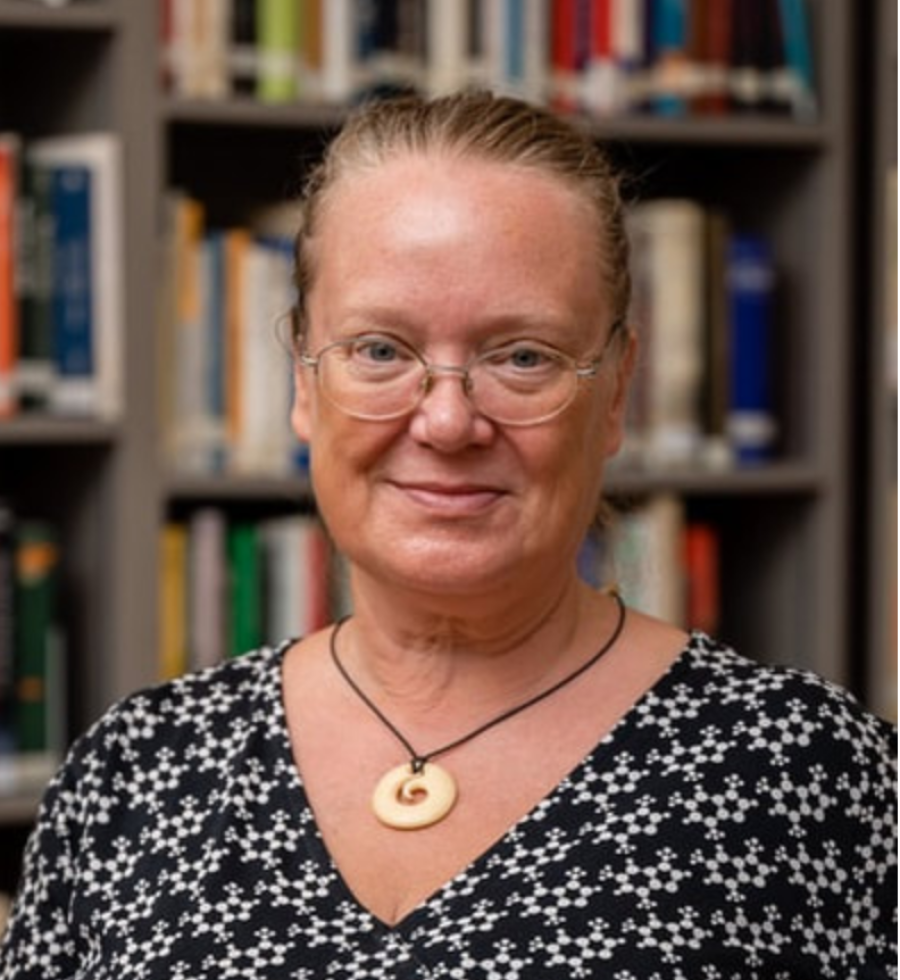
We were delighted to welcome Professor Bergès to Newcastle to speak about Mary Astell. You can watch this talk, as well as Antognazza lectures from previous years, on the BSHP YouTube channel.
Professor Bergès works at Bilkent University. From September 2024, until August 2028, she is British Academy Global Professor at the University of York, working on the abolionist debates of France and Britain in the 18th century, with a view to recovering the marginalized voices of that debate.
WHO IS A SLAVE AND WHO SHOULD BE FREED? ASTELL, MARRIAGE AND CHATTEL SLAVERY
Scholars disagree as to how to interpret Astell’s analogy of marriage as slavery. Here I lookn at this problem again taking into account a context Astell was writing in, that of transatlantic slavery. I draw the following conclusions: that Astell chose to ignore the plight of chattel slaves shows that she did not think slavery was a great evil. This applied not only to chattel slaves, but also to married women (and likely also to men who called themselves enslaved because they lived under the rule of a king). She did not wish them to be freed, but rather wanted to help ameliorate their conditions through education. I show first that Astell was fully embedded in the slave economy that flourished in London in the late 17th and early 18th century so that she had to make a choice not to mention transatlantic slavery. Then I follow the argument made by Rickless and Wasel that Astell thinks that that true freedom is freedom of the mind, and that one can be enslaved bodily but essentially free, but show that even for Astell, such freedom was in fact largely illusory, and that she did not mean women, or anyone else that was enslaved, to be freed. I conclude that the liberatory potential of Astell’s arguments on marriage consists only in the method she offers for strengthening the mind. But even that method would need to be subverted to be at all useful, i.e. employed to strengthen our ability to seek freedom, rather than to resolve ourselves to obedience.